The Polk County Board of Supervisors directs the county’s operations as the primary policy-making and fiscal authority in Polk County, Iowa. The Board manages budgets, oversees local government departments, and establishes policies that shape community services, infrastructure, and public programs. Each supervisor represents a specific district, ensuring that decisions reflect the needs of residents across the county. By monitoring county administration, they maintain accountability and guide projects that affect transportation, public safety, parks, and economic initiatives. Open meetings allow residents to observe discussions, promoting transparency and active public participation.
The Board’s responsibilities extend beyond policy approval to include strategic planning, financial oversight, and departmental coordination. Supervisors review funding requests, allocate resources, and evaluate the effectiveness of programs in health services, law enforcement, and community development. Public engagement is central to their work, with citizens able to provide input on ordinances, budget priorities, and local regulations. Their decisions influence property assessments, taxation, and long-term county planning. Through careful policy oversight and administration, the Polk County supervisors maintain efficient governance while responding to evolving community needs and supporting sustainable growth.
What is the Board of Supervisors?
The Polk County Board of Supervisors serves as the primary decision-making body for county policies and fiscal matters. It manages budgets, oversees county departments, and ensures effective administration throughout Polk County.
The county board Polk County operates as a governing authority responsible for both strategic and operational oversight. Its core duties include approving annual budgets, managing county finances, and directing personnel appointments. Each supervisor brings a focus on specific areas, such as public health, infrastructure, or public safety, providing checks and balances across county operations. This collective structure ensures that decisions reflect the needs of residents while maintaining fiscal accountability.
Structure and Meetings
The Board consists of five elected supervisors, each representing a distinct district within Polk County. Supervisors work collaboratively, with a chairperson selected from among the members to lead meetings and coordinate agendas. The board typically holds regular weekly meetings, which are open to the public and often broadcast online. This transparency allows citizens to stay informed about policy decisions, budget allocations, and departmental updates.
Responsibilities
- Budget and Fiscal Authority: Approve county budgets, oversee expenditures, and manage resources efficiently.
- Personnel Oversight: Appoint department heads, review performance, and ensure qualified leadership across county offices.
- Departmental Supervision: Monitor operations of county departments, including health, public works, and law enforcement.
- Policy Implementation: Enact ordinances, adopt strategic initiatives, and provide governance guidance.
Supervisors also coordinate with other county boards, advisory committees, and state agencies. Their work involves strategic decision-making, ensuring that county services meet resident needs while maintaining responsible governance. By attending board meetings or reviewing published minutes, residents can track decisions and understand the priorities shaping Polk County’s administration.
Meeting Schedules and Locations
Polk County Supervisors in Iowa hold regular board meetings https://www.polkcountyiowa.gov/board-of-supervisors/meeting-agenda-and-minutes/ and work sessions that are open to the public. Residents can attend these meetings to stay informed and participate in local civic activities.
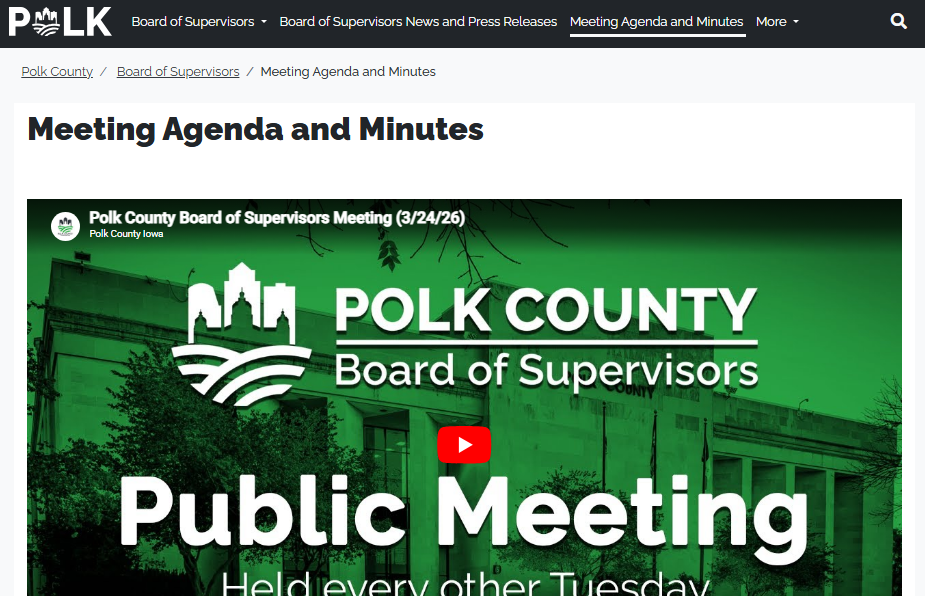
The Polk County Board of Supervisors conducts its formal sessions every Tuesday at 9:00 AM in Room 120 at 111 Court Avenue, Des Moines, IA 50309. These meetings cover policy decisions, budget reviews, and county-wide initiatives. In addition, work sessions are usually held on Thursdays at 1:30 PM in Room 300, focusing on planning, departmental updates, and project discussions. Both sessions are documented in public records to ensure transparency and accountability.
Directions to Meeting Locations
- Room 120: Enter through the main entrance at 111 Court Avenue. Room 120 is located on the first floor near the central lobby.
- Room 300: Access via the same entrance and take the elevators to the third floor. Signs clearly indicate the board meeting rooms.
Residents are encouraged to arrive early, as seating is available on a first-come, first-served basis. For those who cannot attend in person, the county provides meeting agendas and minutes online, supporting civic participation and keeping the public informed about local government decisions.
Tracking Board Actions
Residents can stay informed about the Polk County Board of Supervisors’ https://www.polkcountyiowa.gov/board-of-supervisors/board-of-supervisors-news-and-press-releases/ activities by reviewing board agendas and related official documents. Public records in Iowa ensure transparency and provide insight into policy decisions and updates.
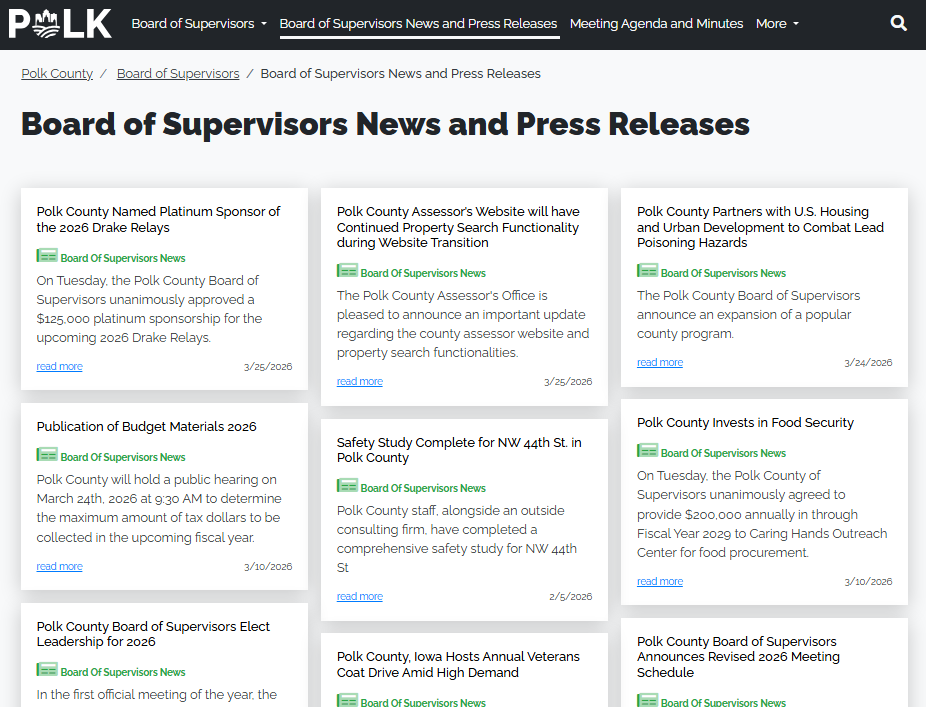
Following the board’s actions is straightforward and keeps residents connected to local governance. The county posts agendas, meeting minutes, and official resolutions online, allowing residents to track decisions on zoning, budgets, and community projects. Regularly checking these documents helps people stay aware of changes that may affect neighborhoods, businesses, and county services.
Accessing Agendas and Minutes
Polk County maintains a clear record of all board meetings. Residents can:
- View board agendas Polk County before meetings, detailing discussion topics and planned votes.
- Read official minutes after meetings, summarizing decisions and motions.
- Examine resolutions, ordinances, and supporting documents for context on decisions.
These records provide a chronological view of county actions, making decision tracking and review simple. Citizens can note upcoming discussions and participate in public comment periods if desired.
Transparency and Policy Updates
Transparency is a cornerstone of county governance. Posting public records online in Iowa ensures accountability and allows residents to monitor policy changes. The board’s actions often involve:
- Budget approvals and funding allocations
- Land use and zoning changes
- Public health and safety measures
Residents benefit from understanding these updates, as they reflect the board’s priorities and impact community planning. Staying engaged with official records strengthens civic involvement and fosters trust between citizens and local government.
Budget Authority and Fiscal Oversight
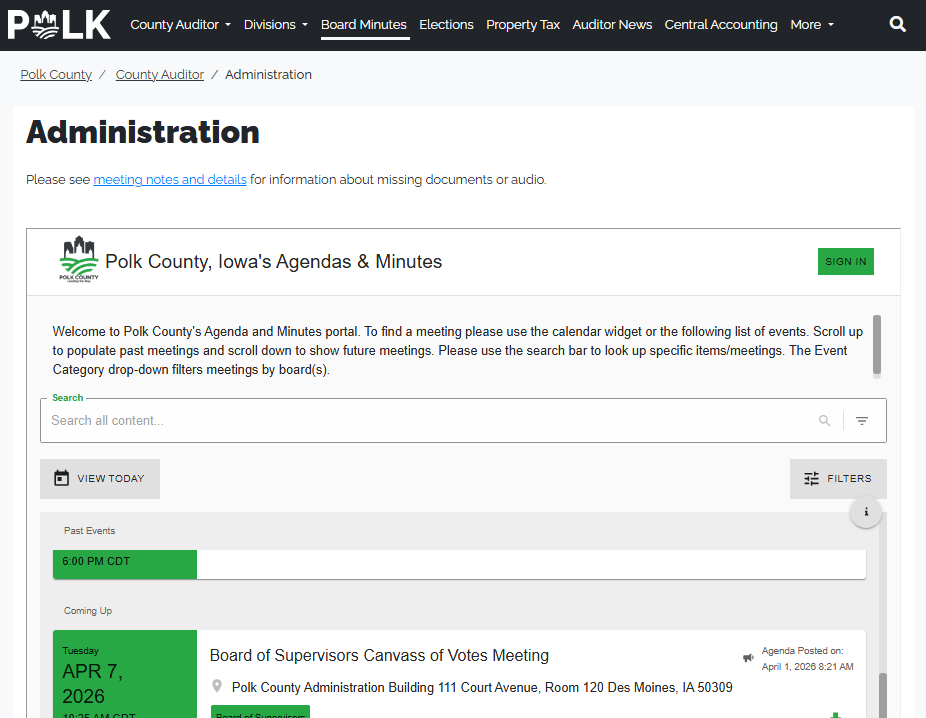
The Polk County Board of Supervisors manages the county’s https://www.polkcountyiowa.gov/county-auditor/administration/ budget and oversees how public funds are spent. This includes reviewing departmental requests, allocating resources, and monitoring financial performance across all county operations.
Role in Budget Planning and Approval
The Board holds authority to review and approve the annual Polk County budget. Departments submit funding requests that reflect operational needs, capital projects, and service priorities. Supervisors evaluate these requests with attention to fiscal responsibility and overall resource allocation, ensuring taxpayer dollars support essential services such as public safety, infrastructure, and community programs.
During the planning process, the Board:
- Sets funding priorities based on community needs and legal obligations.
- Balances projected revenues against expenditures to maintain financial stability.
- Reviews recommendations from the County Auditor and finance staff for accuracy.
Oversight of County Finance
Once the budget is approved, the Board monitors spending to ensure departments operate within allocated limits. This ongoing budget oversight includes reviewing quarterly reports, approving adjustments when necessary, and auditing financial statements. By doing so, supervisors safeguard public funds and maintain transparency in county operations.
Oversight activities include:
- Tracking departmental expenditures against approved budgets.
- Evaluating grant allocations and special project funding.
- Reviewing long-term financial planning to prevent deficits.
- Approving contracts and large purchases to ensure proper use of funds.
Board Decisions Impact Across Departments
The decisions made by the Polk County Supervisors directly affect multiple departments, shaping how services and programs operate across the county. Their policies influence everything from road maintenance and public health programs to law enforcement coordination and election record-keeping.
Public Works & Infrastructure
Polk County supervisors in Iowa play a key role in planning and maintaining public infrastructure. Their policies determine road construction schedules, bridge repairs, and stormwater management projects. Environmental stewardship is also a focus, as county initiatives often include sustainable land use and conservation efforts. For example, investments in roadway upgrades can reduce traffic delays and improve safety for thousands of residents. Cross-departmental governance ensures that planning aligns with public health and safety standards.
Impacts include:
- Road and bridge improvements that support local commuting and commercial traffic.
- Land use planning and zoning regulations for sustainable growth.
- Environmental programs to manage stormwater and preserve natural resources.
Public Health & Human Services
Board decisions influence the budget and scope of public health services across Polk County. Funding allocations help support programs for mental health, senior care, and community wellness. Policies also affect health inspections, vaccination programs, and social services that provide assistance to families in need. By coordinating with multiple departments, supervisors ensure programs meet community needs efficiently.
Examples of impact:
- Expanded access to immunization clinics and preventative care initiatives.
- Funding for human services agencies and nonprofit partners.
- Community outreach programs targeting vulnerable populations.
Public Safety & Justice Coordination
The Board of Supervisors guides public safety through policy and budget decisions for the sheriff’s office, district attorney, and emergency management services. These decisions affect staffing, equipment, and operational coordination across departments. Administrative policies help ensure that law enforcement, emergency response, and justice programs run smoothly and align with county priorities.
Areas of influence:
- Sheriff’s office budgets and resource allocation.
- Support for the county attorney’s office and legal processes.
- Coordination of emergency management and disaster response planning.
Elections & Auditor
The Board’s policies also impact the Elections Department and the County Auditor’s office. Decisions can affect record-keeping practices, election logistics, and historical data management. Efficient administration of elections relies on policy guidance and funding from the supervisors, ensuring transparency and accuracy in voting processes.
Notable effects include:
- Maintaining accurate voter records and election results.
- Supporting digital and physical archives of county decisions.
- Aligning election administration with broader county operations.
By overseeing budgets, programs, and administrative policies across these departments, Polk County Supervisors in Iowa create measurable community impact and support coordinated county operations. Their actions ensure that infrastructure, public health, safety, and governance work together effectively for residents.
Community Grants, Partnerships, and Investments
The Polk County Board of Supervisors actively supports local projects that https://communitygrants.polkcountyiowa.gov/ strengthen communities, enhance arts and culture, and improve public infrastructure. Residents and organizations can apply for county grants and sponsorships to fund initiatives that provide broad public benefit.
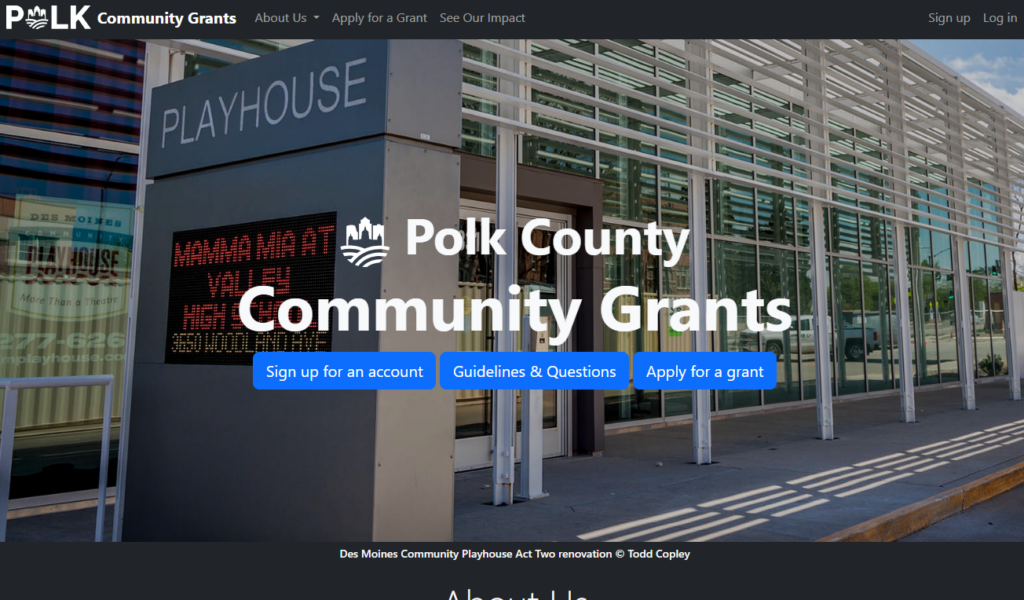
The Board oversees Polk County community grants and county investment programs to encourage collaboration between local government, nonprofit organizations, and community groups. These programs focus on projects that improve quality of life, such as public park enhancements, cultural events, and educational initiatives. Funding decisions prioritize proposals that demonstrate clear community impact, long-term benefits, and alignment with county priorities.
Grant and Sponsorship Opportunities
Local organizations can request funding through structured application processes. The main steps include:
- Review Eligibility: Organizations must be registered nonprofits, civic groups, or government-affiliated entities serving Polk County residents.
- Prepare Proposal: Submit a clear plan outlining project goals, expected outcomes, and budget. Include supporting documentation for transparency.
- Submit Application: Applications are typically submitted online through the Polk County official portal or delivered to the Board’s office.
- Evaluation and Approval: A committee evaluates proposals based on community impact, feasibility, and alignment with county initiatives.
Projects supported often include arts festivals, neighborhood improvements, infrastructure upgrades, and cultural programs. By providing financial support, the Board encourages partnerships that benefit the wider public.
How to Participate – Civic Engagement Toolkit
Residents can actively engage with the Polk County Board of Supervisors by attending meetings, submitting public comments, and following agenda updates. Participation ensures voices are heard in local decisions that affect communities.
Engaging with the board starts with attending meetings, which are open to the public at locations including 111 Court Avenue in Des Moines. Meetings cover regular sessions, work sessions, and special topics. Residents can check the board agendas Polk County page to see upcoming discussions, motions, and votes. Keeping track of agendas helps residents follow policy changes and planned projects in real time.
Submitting Public Comments
Citizens have the option to provide feedback directly to the board. Comments can be submitted in person during meetings or online through official channels. Providing input on proposals or budget decisions allows residents to contribute to meaningful policy outcomes. A resident toolkit often includes templates or instructions for submitting comments efficiently.
Tracking Agenda Items
The board posts detailed agendas and supporting documents before each meeting. This transparency allows the public to participate in county board actions with full context. Using the online resources, residents can:
- Review upcoming agenda topics
- Monitor ongoing policy discussions
- Track decisions that affect local services, zoning, and public programs
Engagement Resources
Polk County offers several tools for public involvement:
- Official meeting calendars with dates, times, and locations
- Document repositories for minutes, reports, and resolutions
- Email alerts for agenda updates and board announcements
Active engagement helps residents influence local decisions while staying informed about county operations. By using these engagement resources consistently, citizens can make their input count and support transparent governance.
(FAQs) About Polk County Board of Supervisors
Polk County residents can find answers to common inquiries about board operations, meeting schedules, and public resources in one place. The Board of Supervisors provides clear guidance to help citizens stay informed and engaged.
When Are Board Meetings Held and How Can Residents Attend?
Board meetings in Polk County are generally held weekly at 111 Court Avenue, Des Moines, in Room 120 for formal sessions and Room 300 for work sessions. Residents are welcome to attend in person or follow live streams online. Meeting schedules, including special sessions, are published on the official Polk County website. Attendance is open to the public, and citizens can submit comments or questions during designated public participation periods.
How Can Residents Access Budgets, Agendas, and Meeting Minutes?
All official documents, including budgets, board agendas, and meeting minutes, are publicly available. Citizens can review these records on the Polk County Board of Supervisors’ online portal or request printed copies from the Clerk’s Office. The board maintains transparency by posting agendas before meetings and keeping minutes updated after sessions. These records help residents track policy decisions, budget allocations, and local initiatives.
Who Handles Grant Applications or Public Records Requests?
For grant applications, county programs, or public records requests, residents can contact the Polk County Clerk of the Board. Staff provide guidance on submission requirements and deadlines for grants, contracts, and other county programs. Public records requests are handled according to Iowa’s open records law, ensuring that residents receive timely access to official information. Contact details are available on the county’s website, with clear instructions for email, phone, or in-person submissions.
How Can Residents Provide Feedback or Suggest Policy Changes?
Citizens can submit feedback or policy suggestions through formal public comment periods during meetings or via the board’s online contact forms. The board reviews resident input and may incorporate suggestions into future discussions or planning sessions. This process allows the community to participate directly in shaping local policies and initiatives.
What Services Are Available to Support Residents and Local Communities?
Polk County offers a variety of programs and services, including health, safety, housing, and community development initiatives. Residents can find information about available resources, application procedures, and eligibility requirements on the county website. The Board of Supervisors collaborates with departments and community partners to address local needs efficiently.